

-

 Nattokinase Supplement Capsules For Men and Women – 120 CapsulesHeart Support: WellnessLabsRx presents Nattokinase Capsules with a potent 5000FU formula, derived from fermented soybeans. This supplement is designed to support optimal blood flow, offering a higher strength than standard nattokinase 2000FU and 4000FU formulations. Immune System Support: Each serving of our Nattokinase Supplement provides...
- $19.95
-
- $19.95
- Unit price
- per
-
 Berberine Capsules Weight Loss Support – 60 CapsulesBerberine Capsules Weight Loss Support – 60 Capsules
- $19.95
-
- $19.95
- Unit price
- per
-

 NAD Supplement Capsules for Men and Women with Resveratrol 1500mg - 90 CapsulesCellular Wellness Made Simple: WellnessLabsRx NAD+ with Resveratrol Capsules combine NAD+ and resveratrol in a convenient daily supplement. Each serving provides 1500mg of the formulated blend, with 90 capsules per bottle for a 45-day supply when taking two capsules daily. Daily Energy and Wellness...
- $29.99
-
- $29.99
- Unit price
- per
-

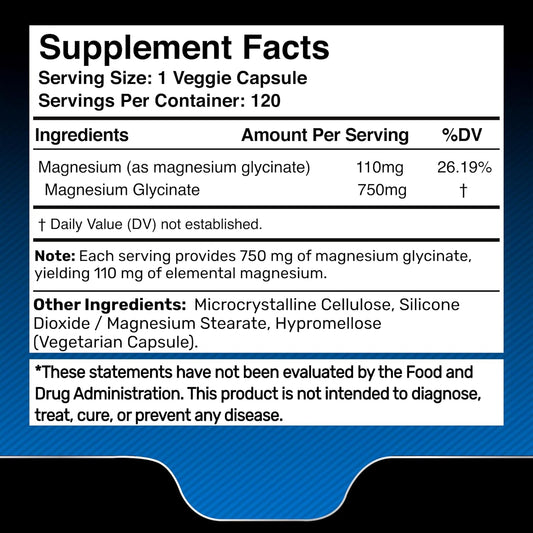 Magnesium Glycinate Capsules, Pure Complex, High Absorption Supplement - 120 CountBioavailable Magnesium Glycinate Capsules Our Magnesium Glycinate Capsules are carefully formulated to provide efficient magnesium absorption, supporting a balanced and healthy lifestyle. Gentle on the Stomach Designed to support easy digestion, these capsules are suitable for those with sensitive systems. Daily Wellness Support Each...
- $19.95
-
- $19.95
- Unit price
- per
-

 Organic Bee Pollen 5g Per Serving – 90 Servings – 1 Lbs.𝐍𝐔𝐓𝐑𝐈𝐄𝐍𝐓-𝐑𝐈𝐂𝐇 𝐒𝐔𝐏𝐄𝐑𝐅𝐎𝐎𝐃: Elevate your nutrition with WellnessLabsRx organic bee pollen for women, a natural superfood packed with proteins, vitamins, and minerals. Harvested from the finest organic sources, our all natural bee pollen granules therapy are a wholesome addition to your daily diet with 2...
- $24.95
-
- $24.95
- Unit price
- per
-

 Resveratrol Supplement Capsules for Men and Women𝐇𝐈𝐆𝐇-𝐏𝐎𝐓𝐄𝐍𝐂𝐘 𝐑𝐄𝐒𝐕𝐄𝐑𝐀𝐓𝐑𝐎𝐋 𝐒𝐔𝐏𝐏𝐋𝐄𝐌𝐄𝐍𝐓: Each serving of Wellness LabsRx Resveratrol Capsules provides 1,000 mg of 10:1 Resveratrol extract sourced from Japanese Knotweed (Polygonum cuspidatum), for maximum health benefits 𝐒𝐔𝐏𝐏𝐎𝐑𝐓𝐒 𝐇𝐄𝐀𝐑𝐓 𝐇𝐄𝐀𝐋𝐓𝐇: Our resveratrol is popular for its heart-health benefits, that may help to support healthy...
- $19.99
-
- $19.99
- Unit price
- per
-
 Energy Support Capsules For Men and WomenEnergy Support Capsules For Men and Women
- $19.95
-
- $19.95
- Unit price
- per
-

 Sea Moss Gel Wildcrafted Superfood All Natural Delicious Flavors – 10 OzSea Moss: Our sea moss gel is made from raw, Irish sea moss, ensuring exceptional quality and purity. Enjoy the benefits of nature with a product that’s free from artificial additives and preservatives. Caribbean Sourced: We proudly source our sea moss from the Caribbean...
- $24.95
-
- $24.95
- Unit price
- per
-

 Organic Sea Moss Gummies, Mixed Berry Flavor - 90 CountAll-Organic Nutrients: Wellness LabsRx Sea Moss Gummies are crafted with natural ingredients, offering a delightful mixed berry flavor that provides a convenient way to incorporate nutrients derived from sea moss into your daily routine. Daily Dose of Goodness: Take two gummies once a day,...
- $19.95
-
- $19.95
- Unit price
- per
Close


Nattokinase Supplement Capsules For Men and Women – 120 Capsules
Heart Support: WellnessLabsRx presents Nattokinase Capsules with a potent 5000FU formula, derived from fermented soybeans. This supplement is designed to support optimal blood flow, offering a higher strength than standard nattokinase 2000FU and 4000FU formulations. Immune System Support: Each serving of our Nattokinase Supplement provides...
- $19.95
-
- $19.95
- Unit price
- per

Berberine Capsules Weight Loss Support – 60 Capsules
Berberine Capsules Weight Loss Support – 60 Capsules
- $19.95
-
- $19.95
- Unit price
- per


NAD Supplement Capsules for Men and Women with Resveratrol 1500mg - 90 Capsules
Cellular Wellness Made Simple: WellnessLabsRx NAD+ with Resveratrol Capsules combine NAD+ and resveratrol in a convenient daily supplement. Each serving provides 1500mg of the formulated blend, with 90 capsules per bottle for a 45-day supply when taking two capsules daily. Daily Energy and Wellness...
- $29.99
-
- $29.99
- Unit price
- per


Frequently Asked Questions
-
Heart health supplements work through several distinct pathways: reducing fibrin buildup and improving blood flow (Nattokinase), regulating cholesterol and blood glucose metabolism (Berberine), protecting arterial walls from oxidative damage (Resveratrol, Astaxanthin), supporting blood pressure through mineral balance (Magnesium, Sea Moss), and providing mitochondrial energy to the heart muscle (Shilajit, NAD+). The most effective cardiovascular supplement approach addresses multiple pathways simultaneously, since cardiovascular risk is multifactorial.
-
Nattokinase is a fibrinolytic enzyme derived from natto — Japanese fermented soybeans — that breaks down fibrin, the protein involved in blood clot formation. A landmark Chinese clinical study of 1,062 participants taking 10,800 FU of Nattokinase daily for 12 months found a 21.7% reduction in carotid artery intima-media thickness and a 36% reduction in carotid plaque surface area. Dr. David Sinclair added Nattokinase to his personal stack in 2025 specifically based on this data. Important: anyone on blood thinners should consult their physician before adding Nattokinase.
-
Berberine activates AMPK — the enzyme that regulates cholesterol metabolism, glucose uptake, and fat burning — through a mechanism similar to metformin. Studies have shown Berberine reduces LDL cholesterol, lowers triglycerides, and raises HDL. A meta-analysis of over 4,600 patients found no significant difference between Berberine and statins in improving LDL, HDL, and total cholesterol levels. However, Berberine is a supplement — not a pharmaceutical substitute for medically indicated statin therapy. Always work with your physician for clinical cholesterol management.
-
Resveratrol activates SIRT1 sirtuin proteins that regulate endothelial function (the inner lining of blood vessels), reduces LDL oxidation that contributes to plaque formation, and inhibits inflammatory pathways that damage arterial walls. Multiple 2024–2025 studies demonstrated Resveratrol's ability to improve atherosclerosis markers, reduce blood pressure, and enhance endothelial function. Its cardiovascular benefits are among the most robustly supported aspects of Resveratrol research.
-
Magnesium is essential for cardiac muscle function, blood pressure regulation, and prevention of arterial calcification. It acts as a natural calcium channel blocker, relaxing blood vessels and reducing vascular resistance. Low magnesium is directly associated with increased cardiovascular event risk, arrhythmia, and hypertension. Studies consistently show that populations with higher dietary magnesium have lower rates of heart disease.
-
Sea Moss is rich in potassium — critical for maintaining electrolyte balance and healthy blood pressure — and contains polyunsaturated fats that support healthy cholesterol profiles. Bee Pollen contains rutin, a bioflavonoid with documented vasculoprotective effects, alongside antioxidants that reduce oxidative stress on arterial walls. Both are complementary whole-food cardiovascular supports — most effective as part of a broader heart health strategy alongside the more targeted supplements.
-
Anyone already taking prescription blood thinners (warfarin, aspirin, clopidogrel) should discuss Nattokinase with their physician before use, as it has blood-thinning properties that could potentiate anticoagulant medications. Berberine can interact with diabetes medications and blood pressure drugs, requiring monitoring. Those with existing cardiovascular conditions should always involve their cardiologist when adding supplements to their protocol. These supplements support cardiovascular health — they do not treat cardiovascular disease.
-
The heart is one of the most mitochondria-dense tissues in the body — it runs on cellular energy around the clock. NAD+ is essential for cardiac mitochondrial function, enabling the heart to efficiently generate the ATP that powers each contraction. As NAD+ declines with age, cardiac mitochondrial efficiency drops. Multiple 2024–2025 studies demonstrated that NAD+ precursor supplementation improved cardiovascular risk factors including arterial stiffness and blood pressure.
-
Yes. These supplements work within a lifestyle context. Mediterranean-style eating patterns, regular cardiovascular exercise, adequate sleep, and stress management all work synergistically with supplement protocols. Berberine is more effective when carbohydrate intake is moderate. Nattokinase's fibrinolytic effects complement an anti-inflammatory diet. Resveratrol works synergistically with NAD+ precursors. Supplements are powerful amplifiers of a good lifestyle foundation — not substitutes for one.
-
Berberine's effects on blood glucose and lipid markers typically appear at 8–12 weeks in clinical trials. Nattokinase's meaningful cardiovascular changes (like plaque regression) require 6–12 months of consistent use. Resveratrol and Magnesium's blood pressure and vascular effects emerge at 4–8 weeks. NAD+ improvements in vascular function are seen at 8–12 weeks. Cardiovascular health is built over years — these supplements accelerate progress in the right direction.
Recently Viewed Products
Example product title
- $19.99
-
- $19.99
- Unit price
- per
Example product title
- $19.99
-
- $19.99
- Unit price
- per
Example product title
- $19.99
-
- $19.99
- Unit price
- per
Example product title
- $19.99
-
- $19.99
- Unit price
- per
Example product title
- $19.99
-
- $19.99
- Unit price
- per
Example product title
- $19.99
-
- $19.99
- Unit price
- per
Example product title
- $19.99
-
- $19.99
- Unit price
- per
Example product title
- $19.99
-
- $19.99
- Unit price
- per
Example product title
- $19.99
-
- $19.99
- Unit price
- per
Example product title
- $19.99
-
- $19.99
- Unit price
- per
- Choosing a selection results in a full page refresh.