

-

 Pure Himalayan Shilajit Gummies - 90 CountHimalayan Shilajit Gummies: Experience the benefits of pure Himalayan Shilajit in a convenient gummy form. These vegan, organic, and non-GMO gummies are formulated for men and women to support overall wellness and vitality. Made with Himalayan Shilajit and fulvic acid, they offer a convenient...
- $19.95
-
- $19.95
- Unit price
- per
-
 Berberine Capsules Weight Loss Support – 60 CapsulesBerberine Capsules Weight Loss Support – 60 Capsules
- $19.95
-
- $19.95
- Unit price
- per
-

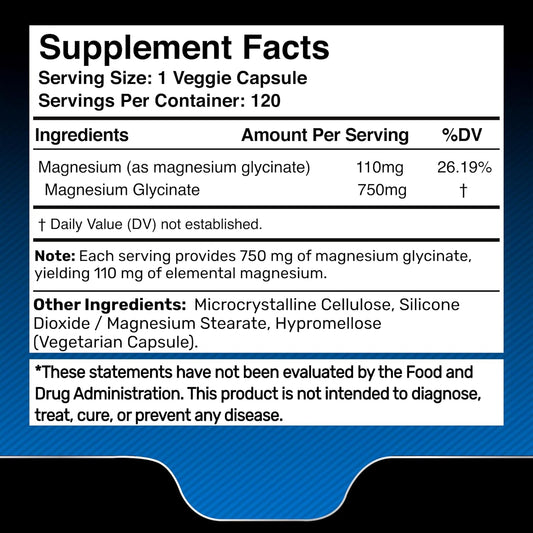 Magnesium Glycinate Capsules, Pure Complex, High Absorption Supplement - 120 CountBioavailable Magnesium Glycinate Capsules Our Magnesium Glycinate Capsules are carefully formulated to provide efficient magnesium absorption, supporting a balanced and healthy lifestyle. Gentle on the Stomach Designed to support easy digestion, these capsules are suitable for those with sensitive systems. Daily Wellness Support Each...
- $19.95
-
- $19.95
- Unit price
- per
-
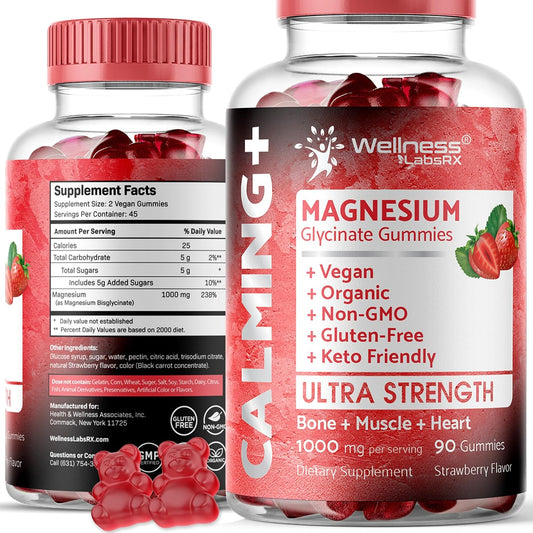
 Magnesium Glycinate Gummies for Men and Women - 90 CountWell-Being Boost: Support your wellness journey with our delicious Magnesium Gummies, featuring a unique formula that combines high-quality magnesium with natural flavors. With 90 gummies per bottle, you’ll have a 45-day supply to complement your daily routine. Science-Backed Formula: Our Magnesium Glycinate is known...
- $19.95
-
- $19.95
- Unit price
- per
-
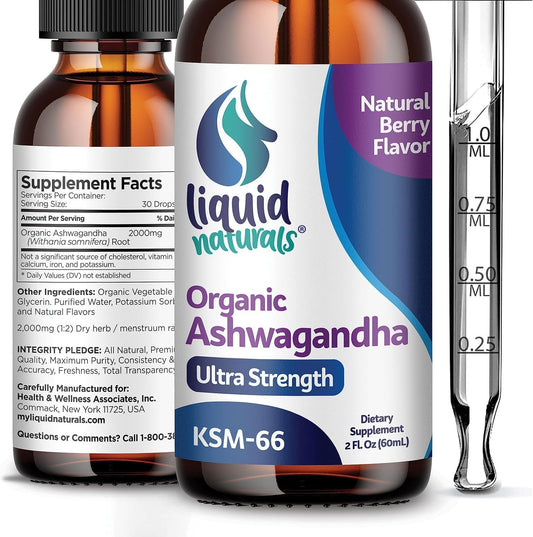
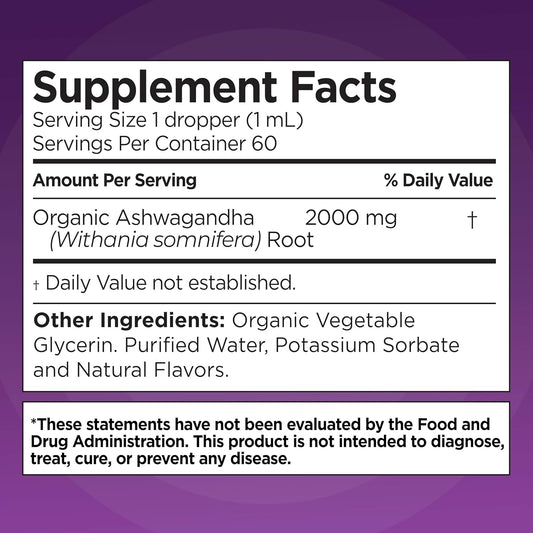 Organic Ashwagandha Liquid Drops 2000mg – Natural Berry Flavor – 2 ozAshwagandha Drops - Natural Berry Flavor
- $19.95
-
- $19.95
- Unit price
- per
-

 Organic Bee Pollen 5g Per Serving – 90 Servings – 1 Lbs.𝐍𝐔𝐓𝐑𝐈𝐄𝐍𝐓-𝐑𝐈𝐂𝐇 𝐒𝐔𝐏𝐄𝐑𝐅𝐎𝐎𝐃: Elevate your nutrition with WellnessLabsRx organic bee pollen for women, a natural superfood packed with proteins, vitamins, and minerals. Harvested from the finest organic sources, our all natural bee pollen granules therapy are a wholesome addition to your daily diet with 2...
- $24.95
-
- $24.95
- Unit price
- per
-

 Bovine Colostrum Powder - Pure Bovine Colostrum for Humans - Grass Fed Colostrum SupplementFuel Your Wellness Journey: Wellness LabsRx Grass Fed Bovine Colostrum Powder delivers 2000mg of 60% IgG-rich organic colostrum per serving, a powerhouse superfood designed to support gut health, immunity, anti-aging properties, and radiant skin naturally Pure, Potent & Easy to Use: Sourced from first-milking...
- $24.95
-
- $24.95
- Unit price
- per
-
 Energy Support Capsules For Men and WomenEnergy Support Capsules For Men and Women
- $19.95
-
- $19.95
- Unit price
- per
Close


Nattokinase Supplement Capsules For Men and Women – 120 Capsules
Heart Support: WellnessLabsRx presents Nattokinase Capsules with a potent 5000FU formula, derived from fermented soybeans. This supplement is designed to support optimal blood flow, offering a higher strength than standard nattokinase 2000FU and 4000FU formulations. Immune System Support: Each serving of our Nattokinase Supplement provides...
- $19.95
-
- $19.95
- Unit price
- per

Berberine Capsules Weight Loss Support – 60 Capsules
Berberine Capsules Weight Loss Support – 60 Capsules
- $19.95
-
- $19.95
- Unit price
- per


NAD Supplement Capsules for Men and Women with Resveratrol 1500mg - 90 Capsules
Cellular Wellness Made Simple: WellnessLabsRx NAD+ with Resveratrol Capsules combine NAD+ and resveratrol in a convenient daily supplement. Each serving provides 1500mg of the formulated blend, with 90 capsules per bottle for a 45-day supply when taking two capsules daily. Daily Energy and Wellness...
- $29.99
-
- $29.99
- Unit price
- per


Frequently Asked Questions
-
Hormones are chemical messengers that regulate virtually every system in the body — energy, metabolism, mood, sleep, libido, muscle maintenance, stress response, and reproductive health. "Hormone balance" refers to the optimal ratio and timing of key hormones including testosterone, estrogen, progesterone, cortisol, thyroid hormones, insulin, and IGF-1. When these are in balance, energy is stable, mood is regulated, body composition is healthy, and stress is manageable. When they're out of balance — due to age, chronic stress, poor sleep, or poor diet — the downstream effects touch nearly every aspect of daily functioning.
-
A randomized, double-blind, placebo-controlled clinical trial published in Andrologia found that men aged 45–55 taking 250mg of purified Shilajit twice daily for 90 days experienced significant increases in total testosterone, free testosterone, and DHEAS compared to placebo. The mechanisms involve: stimulation of luteinizing hormone (LH) which signals testosterone production, reduction of cortisol (which suppresses testosterone when chronically elevated), and improvement of mitochondrial function that powers steroidogenesis. For men experiencing age-related testosterone decline, Shilajit is one of the most evidence-backed natural interventions available.
-
Yes, though the research base is smaller than for men. Shilajit's adaptogenic properties — particularly cortisol reduction and adrenal support — benefit women whose hormones are disrupted by chronic stress, which is a primary driver of estrogen-progesterone imbalance. Its mineral profile supports thyroid function (magnesium, selenium, zinc). Women should note that Shilajit may mildly influence androgen levels, so those with PCOS or androgen sensitivity should consult their physician before use.
-
Berberine's AMPK activation directly improves insulin sensitivity — and insulin resistance is the primary hormonal driver of PCOS (polycystic ovary syndrome), the most common hormonal disorder in reproductive-age women. By improving insulin signaling, Berberine can reduce androgen excess, support ovulatory function, and improve metabolic markers associated with PCOS. Multiple clinical trials have investigated Berberine specifically for PCOS, often finding results comparable to metformin.
-
Magnesium is a cofactor in over 300 enzymatic reactions, including several directly involved in hormone synthesis. It supports testosterone production by inhibiting SHBG (sex hormone binding globulin), which can bind and inactivate free testosterone. In women, magnesium reduces PMS symptoms by modulating estrogen metabolism and reducing inflammatory prostaglandins. For both sexes, magnesium regulates the HPA axis — keeping cortisol in check, which is critical because elevated cortisol suppresses both sex hormone production and thyroid function.
-
Colostrum contains Insulin-like Growth Factor-1 (IGF-1) and other growth factors that support anabolic hormone signaling — the hormones responsible for muscle maintenance, cellular repair, and metabolic vitality. IGF-1 naturally declines with age, contributing to muscle loss, fat gain, and reduced recovery capacity. Colostrum supplementation supports these growth factor pathways naturally, without introducing exogenous hormones.
-
Ashwagandha's primary hormonal mechanism is cortisol reduction. Cortisol and sex hormones compete for the same precursor molecule (pregnenolone) — when cortisol demand is chronically high, sex hormone production suffers. By reducing cortisol, Ashwagandha frees pregnenolone for sex hormone synthesis. Multiple clinical trials have confirmed Ashwagandha's testosterone-supporting effects in men, and its adaptogenic cortisol reduction benefits women's hormonal stability under chronic stress.
-
Bee Pollen contains phytoestrogens — plant-derived compounds with mild estrogen-like activity that can help moderate estrogen receptor signaling. It also contains B vitamins, zinc, and selenium — all essential cofactors for sex hormone synthesis. Traditional use across multiple cultures specifically employed Bee Pollen as a reproductive and hormonal tonic. Its nutrient density makes it a supportive whole-food addition to any hormonal health protocol.
-
It depends on the severity and cause. Mild, lifestyle-driven hormonal imbalance — stress-elevated cortisol, age-related testosterone decline, mild thyroid sluggishness, PMS — is legitimately addressable through targeted supplementation, sleep optimization, diet, and exercise. Clinical hormonal conditions — primary hypogonadism, Hashimoto's thyroiditis, PCOS requiring medical management, or severe menopausal symptoms — require physician evaluation and may need pharmaceutical intervention. If symptoms are significant, persistent, or affecting daily function, get hormonal bloodwork done first.
-
Shilajit's testosterone effects were measurable at 90 days in the key clinical trial. Ashwagandha's cortisol reduction and downstream hormonal benefits appear at 4–8 weeks. Berberine's insulin sensitivity improvements emerge at 8–12 weeks. Magnesium's hormonal effects (PMS reduction, SHBG inhibition) typically appear within 1–2 menstrual cycles. Get baseline bloodwork (testosterone, cortisol, thyroid panel, fasting insulin) before starting and retest at 3 months to objectively track progress.
Recently Viewed Products
Example product title
- $19.99
-
- $19.99
- Unit price
- per
Example product title
- $19.99
-
- $19.99
- Unit price
- per
Example product title
- $19.99
-
- $19.99
- Unit price
- per
Example product title
- $19.99
-
- $19.99
- Unit price
- per
Example product title
- $19.99
-
- $19.99
- Unit price
- per
Example product title
- $19.99
-
- $19.99
- Unit price
- per
Example product title
- $19.99
-
- $19.99
- Unit price
- per
Example product title
- $19.99
-
- $19.99
- Unit price
- per
Example product title
- $19.99
-
- $19.99
- Unit price
- per
Example product title
- $19.99
-
- $19.99
- Unit price
- per
- Choosing a selection results in a full page refresh.